How to Lose Weight After 50 (A Men’s Guide)
As a man, you eat less, you try to move more, yet the scale barely moves. Your belly seems to grow faster than your patience.
Your doctor brings up reaching a healthy weight, your blood pressure, maybe your blood sugar, and you walk out thinking, “What else can I do?” Look, you don’t need to be perfect. For effective weight management, you only need to be consistent.
In this post, I share how I look at losing weight after 50, specifically in my 50s and beyond(I’m 56), what actually works, and how to do it safely.
I always recommend that you talk with your healthcare provider before making big changes, especially if you take medications or have heart disease, diabetes, or joint problems. Read our medical disclaimer.
TL;DR: Why is weight loss after 50 harder?
Age, muscle loss, hormones, and joint pain slow your metabolism and make belly fat easier to gain. The fix is not crash diets, but protecting muscle with simple strength training, eating high protein and high fiber meals, using low-impact cardio, and improving sleep and stress. Medications and health issues matter, so work with your doctor. Aim for small, steady changes you can repeat, not fast, extreme results.
🔑 Not sure how much you should eat to lose weight without feeling starved?
Use the calorie calculator below to see your daily target based on your age, height, weight, and activity level.

Why Weight Loss After 50 Feels So Hard
As men, we tend to think, “I’ll just do what worked in my 30s.” Then we find out our body did not get that memo when it comes to losing weight after 50.
Your body is changing, but it still responds to smart, steady daily habits.
Weight loss after 50 is possible. It just plays by a slightly different set of rules.
Here are several changes that hit us around 50:
Less muscle mass
Testosterone drops, activity drops, and muscle slowly shrinks due to a condition called sarcopenia. Muscle is your body’s “calorie engine.” Less muscle means fewer calories burned, even at rest.
Slower metabolism
Because of that muscle loss, your metabolism slows and your daily calorie needs go down. You can eat the same way you did at 35 and still gain weight.
More belly fat
Hormonal changes, stress, sleep issues, and lower activity all push fat toward your midsection, contributing to weight gain.
These hormonal changes are similar in complexity to what women experience during menopause. Belly fat is not just a “spare tire.” It raises your risk for heart disease and diabetes.
Joint pain and stiffness
Knees, hips, and backs complain more. Hard-impact workouts can feel impossible, so you move less, which leads to more weight gain.
When you understand this, the problem becomes clear. It is not just willpower. It is biology plus lifestyle. The solution is to work with your 50+ body, not against it.
Rule One: Protect Your Muscle To Protect Your Metabolism
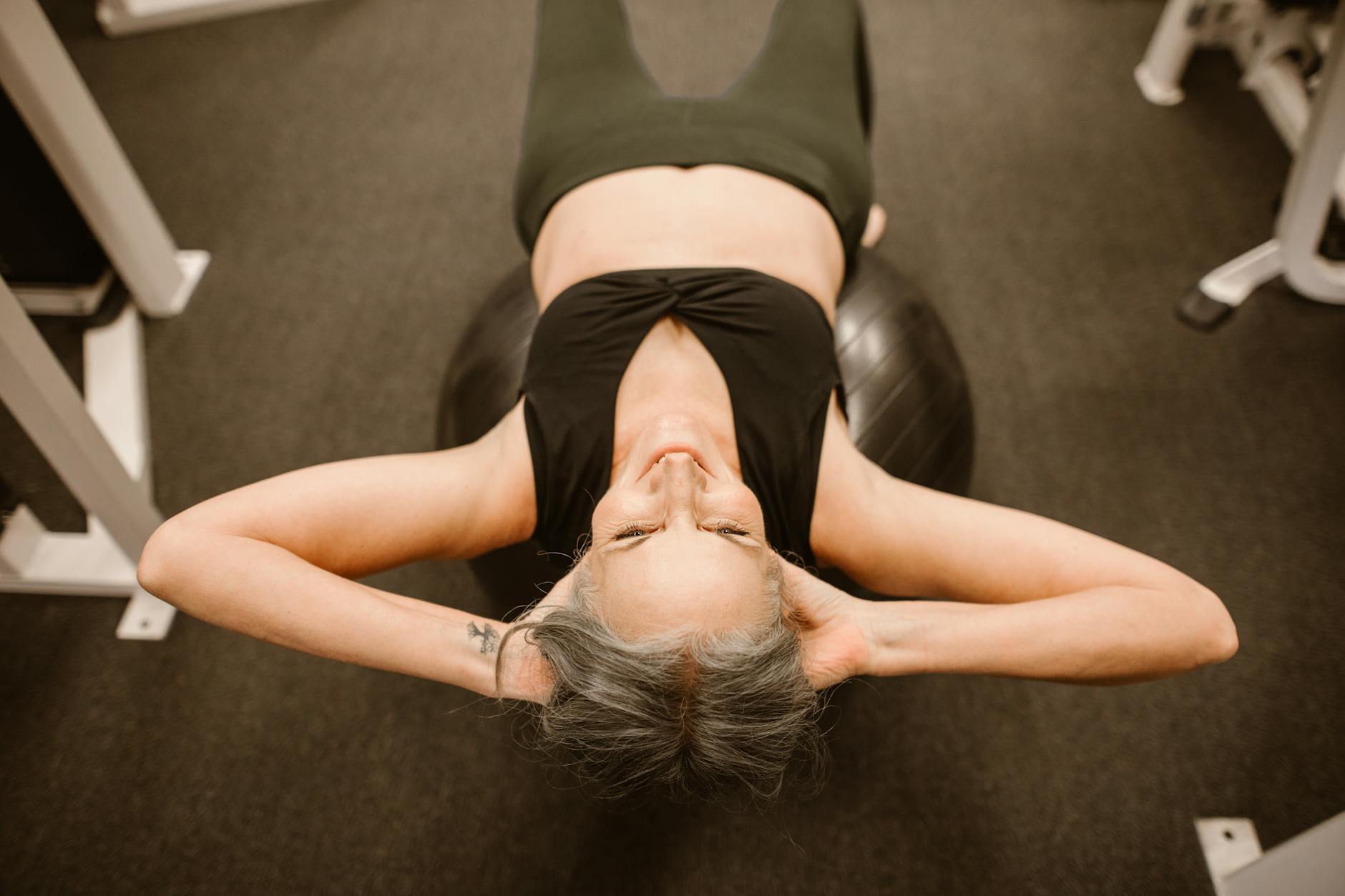
Photo by RDNE Stock project
If I could give one core strategy for weight loss after 50, it would be this: build and protect your muscle mass through strength training.
Muscle is not just for younger guys or bodybuilders. For men over 50, muscle is:
- A protector of your metabolism
- A shield against injury
- A key to balance, confidence, and independence
Simple strength training plan for men over 50
You do not need a gym or fancy gear. Twice or three times a week is enough to start.
I like to focus on “big moves” that hit several muscles at once:
- Chair squats or sit-to-stands
- Wall or counter pushups
- Dumbbell or backpack rows
- Standing calf raises
- Light resistance band pulls
If joints hurt (a common concern with sarcopenia), I adjust:
- Use higher chairs for squats
- Do pushups on the wall instead of the floor
- Use lighter weights with more control
- Slow down, focus on form, not speed
Start with one set of 8 to 10 reps per move. Rest as much as needed. As you get stronger, add a second set. The goal is gentle exercise, not punishment.
Before starting strength training, I always suggest checking with a healthcare provider, especially if you have heart issues, uncontrolled blood pressure, or painful joints.
Eat For Steady Energy, Not Just Fewer Calories
Most weight loss advice tells you to “just eat less.”
For men over 50, that backfires. If you restrict your intake too much, your body drops more muscle. Your metabolism slows even more. You feel tired, hungry, and frustrated.
Instead, I focus on better dietary choices and a small, steady calorie deficit.
Build a simple plate that works after 50
I like to picture my plate in 3 parts:
High quality protein (about a quarter of the plate)
Chicken, fish, eggs, Greek yogurt, tofu, or lean beef. High quality protein helps keep muscle while you lose fat and keeps you full.
High fiber carbs (about a quarter of the plate)
Beans, lentils, brown rice, oats, quinoa, or sweet potatoes. These give steady energy and help control blood sugar.
Vegetables and fruits (about half the plate)
Broccoli, salad, green beans, cabbage, carrots, peppers, berries, or apples. Volume without many calories.
Healthy fats like olive oil, nuts, seeds, or avocado fit in small amounts. They help with hormones and satisfaction.6
I do not need to track every bite. These simple changes to your eating habits go a long way:
- Swap soda and sweet tea for water or zero-sugar drinks
- Eat protein at every meal, especially at breakfast
- Cut back on processed foods and takeout to once in a while, focusing on whole foods instead
- Practice portion control with starches, like serving slightly smaller amounts of pasta or white rice
If you have diabetes, kidney disease, or heart disease, talk with your provider or a dietitian before large diet changes. Food choices can change how your medications work.
Move More, But Respect Your Joints
At 25, I might have sprinted or done hard-impact workouts. At 50 or 60, that can lead straight to an injury, a long break from activity due to physical inactivity, and avoiding high-intensity interval training (HIIT) to respect joints.
So I think long game.
The best physical activity is the one I can keep doing next week, next month, and next year.
Cardio that works with an older body
I pick low-impact cardio activities that feel kind to my knees and back:
- Brisk walking, indoors or outdoors
- Recumbent or upright bike
- Elliptical, if my joints tolerate it
- Swimming or water walking
A realistic target is at least 150 minutes per week of moderate exercise. That can be:
- 30 minutes, 5 days a week, or
- Three 10-minute walks a day, if that feels easier
If you are just starting, even 5 to 10 minutes a day is progress. The key is to stay consistent and add time slowly.
If you get chest pain, severe shortness of breath, dizziness, or feel like you might pass out, stop and seek medical care. Your safety matters more than any workout.
Sleep, Stress, And Hormones: The Weight Loss Traps Men Ignore
Many men focus on food and workouts, then ignore sleep and stress. I did that for years. It stalled my progress.
Poor sleep and high stress work together to raise hunger hormones and lower self-control. High stress can also disrupt estrogen levels, promoting fat storage around the midsection.
That leads to more cravings, larger portions, and late-night eating. These traps trigger hormonal changes that sabotage weight loss efforts.
Small habits that help reset your hormones
I keep it simple:
- Go to bed and wake up at about the same time every day
- Keep the bedroom cool, dark, and quiet
- Shut off screens at least 30 to 60 minutes before bed
- Limit alcohol, especially in the evening, because it ruins sleep quality
- Practice a few deep breaths, prayer, or light stretching before bed
- Drink water throughout the day to help reset hormones and manage appetite
These habits do not burn calories directly. They help my brain and hormones, which makes weight loss after 50 much more realistic.
If you snore loudly or wake up feeling exhausted, ask your doctor about sleep apnea. Treating it can improve energy, mood, and weight control.
Medications, Medical Conditions, And Safe Progress
After 50, many men take medications for blood pressure, cholesterol, mood, or diabetes. Some of these drugs can affect appetite or how easily the body gains or loses weight, which is crucial for long-term weight management.
That is why I always suggest:
- Talk with your healthcare provider before major diet or exercise changes
- Ask if any of your medications affect weight or blood sugar
- Ask what warning signs to watch for, such as very low blood sugar or dizzy spells
If your doctor recommends medical weight loss options, like certain medications or supervised programs, think of them as tools, not magic fixes. They work best along with the habits you build to maintain a healthy weight, not instead of them.
Mindset: Stop Chasing Perfect, Start Chasing Consistent
The biggest shift for me after 50 was in my head, not my stomach.
I stopped chasing “all or nothing” and popular restrictive methods like intermittent fasting, which should be approached cautiously, and started chasing “a little better, most days.”
Here are a few mindset shifts that helped:
- Instead of “I blew it today,” I say, “That was one meal, the next one is my reset.”
- Instead of “I must lose 30 pounds fast,” I say, “I will build sustainable habits around a reasonable goal weight that I can live with next year.”
- Instead of “I am too old,” I say, “My body still responds to what I do today.”
I expect some weeks to be slow. Some months to be messy. What matters is that I keep showing up for myself in this journey of losing weight after 50.
Bringing It All Together
Losing weight after 50 is not about chasing your 25-year-old body. It is about building a stronger, healthier version of the body you have now.
🔑To recap the key points:
- Your body changes after 50, but it still responds to smart habits
- Protecting muscle mass with strength training keeps your metabolism alive
- Balanced meals that manage calories with protein, fiber, and vegetables beat crash diets
- Low-impact cardio exercise supports your heart and joints at the same time
- Sleep, stress, and medications all play a part, so do not ignore them
- Consistency, not perfection, beats short-term weight gain and moves the needle
If you take anything from this, let it be this: you are not too old, and it is not too late to build a stronger body and reduce body fat. Start with one small change this week, maybe a daily walk or a protein-rich breakfast, and build from there.
Your future self will thank you for every steady step you take today.
FAQs: Losing Weight After 50
Why is it harder to lose weight after 50?
Weight loss is harder after 50 because you naturally lose muscle, your metabolism slows, and hormones shift. You also may move less because of joint pain. All of this means you burn fewer calories than you did in your 30s, even if you eat the same way.
How much weight is safe to lose per week after 50?
A safe and realistic goal is about 0.5 to 1 pound per week. Faster loss often means you are losing muscle along with fat, which can slow your metabolism and make long-term progress harder.
What type of exercise is best for men over 50 trying to lose weight?
The best plan usually combines strength training 2 to 3 times per week with low-impact cardio, like brisk walking, biking, or swimming. Strength training protects muscle and metabolism, while cardio supports heart health and burns extra calories.
Do I need to cut out carbs completely to lose weight after 50?
No. You do not need to cut out carbs. Focus on high fiber carbs like beans, oats, lentils, brown rice, and sweet potatoes. Pair them with protein and vegetables so you stay full and keep blood sugar steady.
Should I talk to my doctor before starting a weight loss plan after 50?
Yes, especially if you have heart disease, diabetes, high blood pressure, sleep apnea, or take medications. Your doctor can flag any risks, adjust meds if needed, and help you choose a safe starting point for food and exercise.